
Could Mold Toxicity Be the Key to Understanding Your Chronic Symptoms?
Many patients I treat live in homes they consider pristine—new constructions, freshly renovated basements, crisp drywall, modern flooring. No red flags in sight. Mold? Impossible… or so they think.
Yet one family member battles unrelenting fatigue, brain fog, sudden food intolerances, or baffling autoimmune flares. Routine tests come back “normal.” Doctors clash on diagnoses. The mystery deepens with time.
One of the most overlooked triggers of chronic illness is mold exposure—not just visible growth, but hidden toxins that overwhelm a vulnerable immune system.
Even pristine new homes can hide mold if construction mishandled materials: wet wood sealed before drying breeds it silently. High water tables, finished basements (drywall, carpet), missing sump pumps—even walkouts—and elevated humidity heighten risks.
Large aquarium tanks, poorly maintained washing machines, reverse osmosis systems, and air conditioning units with uncleaned coils can quietly breed mold, too, that infects the entire HVAC system when it is turned on, after being idle all winter. It doesn’t always show as a wall stain—even tidy homes hide contamination post-water damage, as remediation cases confirm. Poor airflow, especially negative pressure, traps and concentrates toxins, wrecking air quality as documented in real-world remediation case studies. Often, it is the way air circulates—particularly in homes with negative pressure dynamics—that concentrates toxins and creates an air-quality problem.
Why One Person Gets Sick and Another Doesn’t
One of the most common objections I hear is, “But no one else in the house is sick.”
That does not rule mold out.
How the body responds to exposure depends heavily on genetic predispositions and environmental priming. Individuals with autoimmune tendencies, impaired detoxification pathways, chronic inflammatory patterns, or mitochondrial stress are far more likely to become symptomatic. Mold is often not the only issue—it is the tipping point that overwhelms an already strained system.

In many patients with autoimmune disease or chronic inflammatory conditions, mold exposure worsens immune instability and can open the door for additional dysfunction. Mast Cell Activation Disorder (MCAD), for example, frequently emerges after prolonged exposure. When mast cells become unstable, inflammatory signaling escalates. Foods, supplements, temperature changes, and stress can suddenly provoke symptoms that never existed before.
Mold illness goes far beyond a simple allergy—it can spark infection, immune chaos, mycotoxin poisoning, or chronic inflammation. Pinpointing the dominant pattern is key to targeted treatment. In some patients, this pattern aligns with what is described as Chronic Inflammatory Response Syndrome (CIRS), a framework that explores the immune consequences of water-damaged building exposure.
What Mold Toxins Do Inside the Body
Mold releases toxic compounds called mycotoxins. These are small, fat-soluble molecules that move easily into cells and tissues. Once inside, they can embed in cell membranes and accumulate in mitochondria—the structures responsible for energy production.
Mycotoxins increase oxidative stress and damage mitochondrial membranes, impairing ATP production. This helps explain the profound fatigue, exercise intolerance, muscle pain, visual disturbances, and cognitive dysfunction many patients experience. Mitochondrial dysfunction rarely stays isolated; it affects endocrine, neurologic, immune, and gastrointestinal systems simultaneously.
Mycotoxins also burden detoxification pathways, particularly the liver and kidneys, and drive inflammatory signaling. In susceptible individuals, prolonged exposure may elevate long-term health risks and perpetuate immune imbalance.
Neuroinflammation is another key component. Mycotoxins can activate mast cells and microglial cells in the brain, contributing to brain fog, mood shifts, slowed processing, and sensory sensitivity. Emerging research continues to demonstrate measurable neuropsychiatric and immune effects following mycotoxin exposure. These symptoms are physiologic— not “all in your head”—and reflect measurable inflammatory changes in susceptible individuals.
When immune defenses are weakened, colonization can occur. Mold may establish itself in the sinuses, lungs, or gastrointestinal tract. At that point, exposure is no longer purely environmental—it becomes internal. This helps explain why some patients remain ill even after leaving a contaminated building or have remediation. The terrain has shifted, and immune recalibration becomes necessary.
Dust accelerates spread, as mold binds easily to particulate matter. Porous materials—drywall, carpet, mattresses, insulation, upholstery—can retain mycotoxins long after visible mold is remediated. Even certain air purifiers can complicate matters by killing spores without adequately capturing the toxins released in the process.
The Challenges of Testing
Testing for mold-related illness is imperfect and must be interpreted carefully. We can measure IgG, IgA, and IgE antibodies to specific mold species, but negative antibody testing does not exclude illness. Many symptomatic patients do not mount measurable antibody responses.
Urine testing can evaluate mycotoxins, but only if the body is actively releasing them. In some cases, ongoing exposure or impaired detoxification may produce falsely reassuring results. This is why clinical history, symptom patterns, and environmental context remain essential.
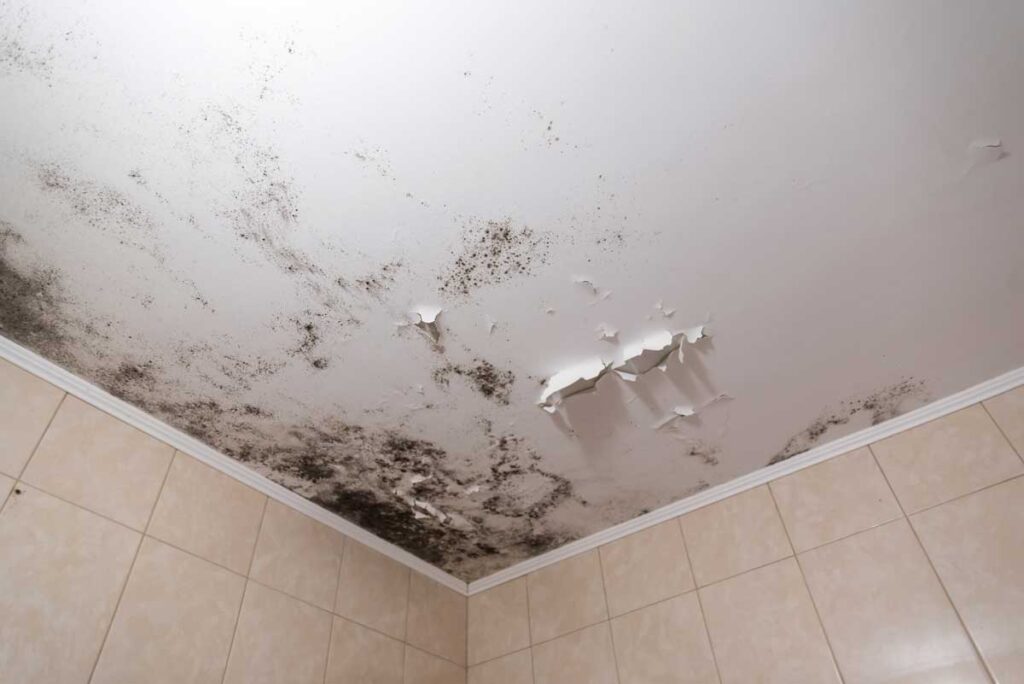
Environmental testing also requires nuance. Water-damaged buildings may harbor not only mold but bacterial fragments, endotoxins, and other inflammatory particulate. A comprehensive evaluation often provides more clarity than a single isolated test.
Mold illness is frequently dismissed because conventional models are not designed to assess environmental toxicity in a layered way. However, lack of recognition does not equal lack of physiology. When patterns are understood, they are remarkably consistent.
Treatment Is About More Than Detox
The most important principle in recovery is source elimination. If exposure continues, remission will not occur. Environmental remediation—or, in some cases, removal from the environment—must be addressed first.
Once exposure is eliminated, calming inflammation and stabilizing the immune system become priorities. Supporting detox pathways is important, but it must be done strategically and gradually as many people with mycotoxin/mold sickness are super sensitive and microdosing to get the body moving in a better direction is key.
Binders such as citrus pectin and cholestyramine can assist in reducing enterohepatic recirculation of mycotoxins. Glutathione plays a central role in antioxidant defense and mitochondrial repair and is often foundational in treatment. However, binders alone do not correct immune dysfunction. And it is important to note- not all binders or glutathione forms perform equally—partner with a knowledgeable provider to ensure you’re using the right ones for optimal results.
If colonization is present, antifungal therapy—sometimes pharmaceutical—is often necessary. Nasal sprays and compounded pharmaceuticals are commonly used with environmental medicine providers to be sure all mold colonization in the body is irradicated.
When Mast Cell Activation is involved, medications such as Cromolyn or Ketotifen may be required to stabilize inflammatory signaling. This is not a failure of natural medicine; it is thoughtful, layered care based on physiology.
The goal is not simply to “detox.” The real aim is restoring immune balance, repairing mitochondria, and reclaiming stability after the environmental burden has been removed.
Recovery unfolds in layers: eliminate exposure, bind and clear toxins, ease inflammation, bolster detox pathways, and steady the nervous system. These steps don’t “detox mold” directly—they empower your body’s natural rebound once the source is gone.
Binders, glutathione and nutritional support are often foundational for toxin reduction and improving mitochondrial health. Hyperbaric oxygen may help when cognitive symptoms or fatigue predominate. Salt therapy can ease respiratory and sinus inflammation, and assist in helping the body clear colonization in the respiratory tract. PEMF and Redlight Therapy may assist with circulation, nervous system regulation, inflammation, and chronic pain. These modalities are supportive; they complement remediation, not replace it.
These modalities are supportive; they complement remediation, not replace it. We offer a range of therapeutic modalities that can be tailored to your specific inflammatory patterns and recovery goals.
When to Consider Mold as a Contributor
If you’re the only one in your home battling unrelenting fatigue, mysterious brain fog, sudden autoimmune flares, worsening sensitivities, vision shifts, or odd neurological symptoms— while others feel ‘fine’—your environment deserves a closer look. Those with chronic inflammatory or autoimmune disease are particularly vulnerable to what is often referred to as “sick house syndrome.”
Mold illness varies widely from person to person, and it is not always obvious. But when we assess your environment, alongside your immune terrain, patterns often emerge.
Healing starts when we ditch isolated symptoms and embrace the full picture—including the air we breathe.
If you suspect mold may be impacting your family’s health, we can help you assess environmental risk factors and immune response patterns in a structured, individualized way. Restoration requires clarity, and clarity begins with asking better questions.